Elements Float Wellness Centre

Blog
Yearly Oxygen Boost for Wellness
Hyperbaric Oxygen Therapy (HBOT) as Long-Term Cellular Support
At Elements Float Wellness Centre, Hyperbaric Oxygen Therapy (HBOT) is offered as a wellness-based supportive modality designed to optimise oxygen availability, support recovery, and assist the body’s natural physiological processes over time.
Many clients complete an initial HBOT series to support recovery, manage the effects of stress, or improve overall vitality. What is less widely understood—but increasingly supported in scientific literature—is that some of the physiological responses associated with HBOT may diminish over time once exposure ceases. This has led to the growing use of a Yearly Oxygen Boost as part of long-term wellness maintenance.
This article explains why a yearly HBOT boost is commonly used, how it supports the body at a physiological level, and who may benefit most—while referencing peer-reviewed research from respected institutions including the National Institutes of Health, Harvard Health Publishing, ScienceDirect, and the Mayo Clinic.
Understanding Hyperbaric Oxygen Therapy (HBOT)
HBOT involves breathing oxygen in a gently pressurised environment, typically delivered in wellness settings at 1.5–2.0 ATA (atmospheres absolute). Under pressure, oxygen dissolves more readily into plasma and other body fluids, increasing overall oxygen availability throughout the body.
According to overviews published by the National Institutes of Health, increased oxygen availability acts not only as metabolic fuel but also as a biological signal, influencing pathways related to circulation, inflammation balance, and cellular metabolism
Rather than targeting a specific condition, wellness-based HBOT focuses on supporting whole-body oxygen distribution, particularly in tissues affected by stress, ageing, or reduced circulation.
What Is a Yearly Oxygen Boost?
A Yearly Oxygen Boost refers to a short, structured series of HBOT sessions designed to support and refresh physiological adaptations achieved during a previous HBOT program.
Research indicates that responses such as inflammatory modulation, vascular signalling, and stem-cell-related activity tend to return toward baseline over time. A yearly boost reintroduces the oxygen-rich environment that encourages these systems to remain active as part of ongoing wellness support.
A Typical Wellness Yearly Boost Structure
While individual needs vary, a commonly used structure includes:
- 6–12 sessions delivered as a short series
- 60–90 minutes per session
- Pressures of 1.5–2.0 ATA
- Scheduled approximately once per year
This approach reflects patterns observed in research published via NIH-indexed journals and ScienceDirect, where repeated exposure—rather than isolated sessions—appears most relevant for sustained physiological support.
How a Yearly Oxygen Boost Supports the Body
- Supporting Stem-Cell-Related Repair Pathways
One of the most cited areas of HBOT research relates to circulating stem and progenitor cells, which play a role in tissue maintenance and repair.
A study published in the Journal of Applied Physiology observed that structured HBOT exposure was associated with a temporary but significant increase in circulating stem cells, suggesting oxygen-rich environments may support the body’s natural repair signalling pathways.
Over time, these circulating cells naturally return to baseline levels. For this reason, a yearly oxygen boost is often used to re-stimulate physiological processes associated with cellular renewal as part of a long-term wellness approach. - Supporting Circulation and Microvascular Function
Healthy circulation is essential for oxygen and nutrient delivery at a cellular level. Research published in Undersea & Hyperbaric Medicine indicates that HBOT may influence angiogenic signalling pathways, including those related to vascular endothelial growth factor (VEGF), which plays a role in microvascular health.
As we age, or during periods of prolonged stress, microcirculatory efficiency can decline. A yearly oxygen boost is commonly used to support ongoing oxygen delivery and capillary function, rather than to correct disease states. - Supporting Inflammatory Balance
Low-grade, chronic inflammation is widely recognised as a factor influencing general wellbeing, recovery, and ageing. A review published in the Journal of Inflammation Research reported associations between HBOT exposure and changes in inflammatory signalling and oxidative stress pathways.
For this reason, some individuals incorporate a yearly oxygen boost as a system reset, supporting the body’s ability to manage inflammatory balance alongside other lifestyle and wellness practices. - Cognitive Support and Brain Health
The brain consumes approximately 20% of the body’s total oxygen supply, despite representing only 2% of body weight. Even subtle reductions in cerebral oxygenation can impact:
- Memory
- Focus
- Executive function
- Emotional regulation
HBOT research demonstrated promising outcomes in neuroplasticity, particularly in aging populations and those recovering from neurological insult.
Clinical trials referenced by Harvard Health and ScienceDirect show improvements in:
- Cognitive processing speed
- Attention
- Memory recall
The brain relies heavily on oxygen, which is why many people use HBOT as part of a wellness routine to support mental clarity and focus over time. A yearly oxygen boost is often chosen to help maintain the cognitive benefits experienced during earlier sessions and support long-term brain health.
Who May Consider a Yearly Oxygen Boost
The way a yearly oxygen boost is used often depends on individual wellness goals, lifestyle demands, and recovery needs.
|
Wellness Goal
|
Typical Yearly Boost Use
|
|---|---|
|
General Wellness & Ageing Support
|
5–10 sessions to support energy levels, circulation, and overall cellular health |
|
Cognitive & Brain Health Focus
|
Short top-up series to support mental clarity, focus, and cognitive resilience |
|
Chronic Circulatory Challenges
|
Used selectively where oxygen delivery remains a wellness focus |
|
Athletic Recovery
|
Often used more frequently (every 3–6 months) rather than annually |
Athletes, in particular, commonly use HBOT as a recovery support tool. A review in the British Journal of Sports Medicine examined its use in post-exercise recovery contexts, showing HBOT is used by some athletes to support recovery, reduce delayed onset muscle soreness (DOMS), and maintain training consistency—rather than to enhance performance beyond natural capacity.
Oxygen is fundamental to every biological process. A Yearly Oxygen Boost provides a structured way to support oxygen availability, helping the body maintain the physiological systems associated with recovery, resilience, and healthy ageing.
Rather than a medical intervention, it is best understood as ongoing maintenance for the body’s natural repair and support mechanisms.
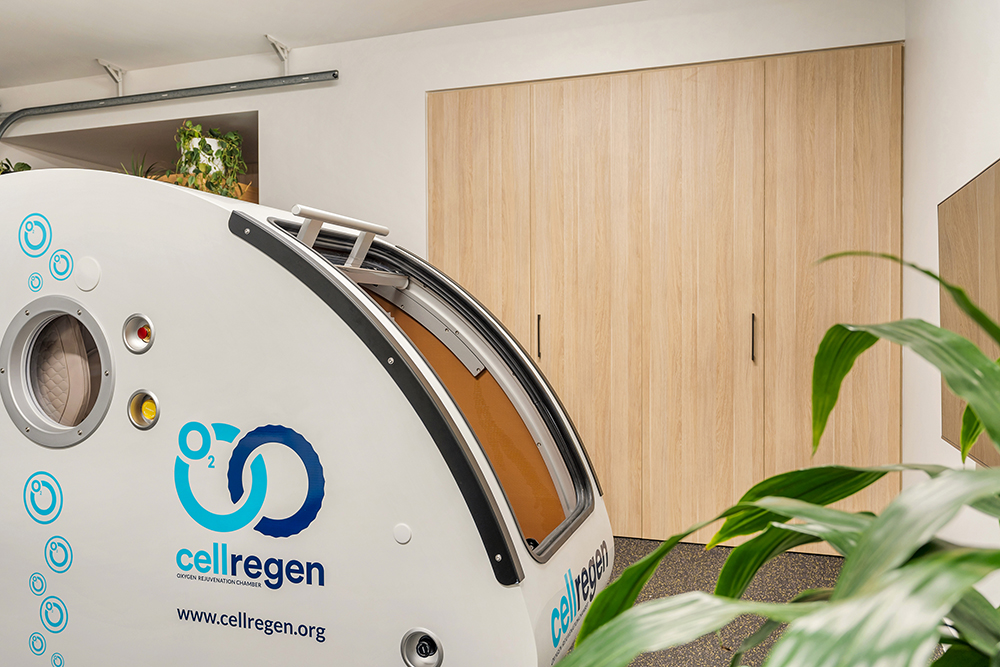
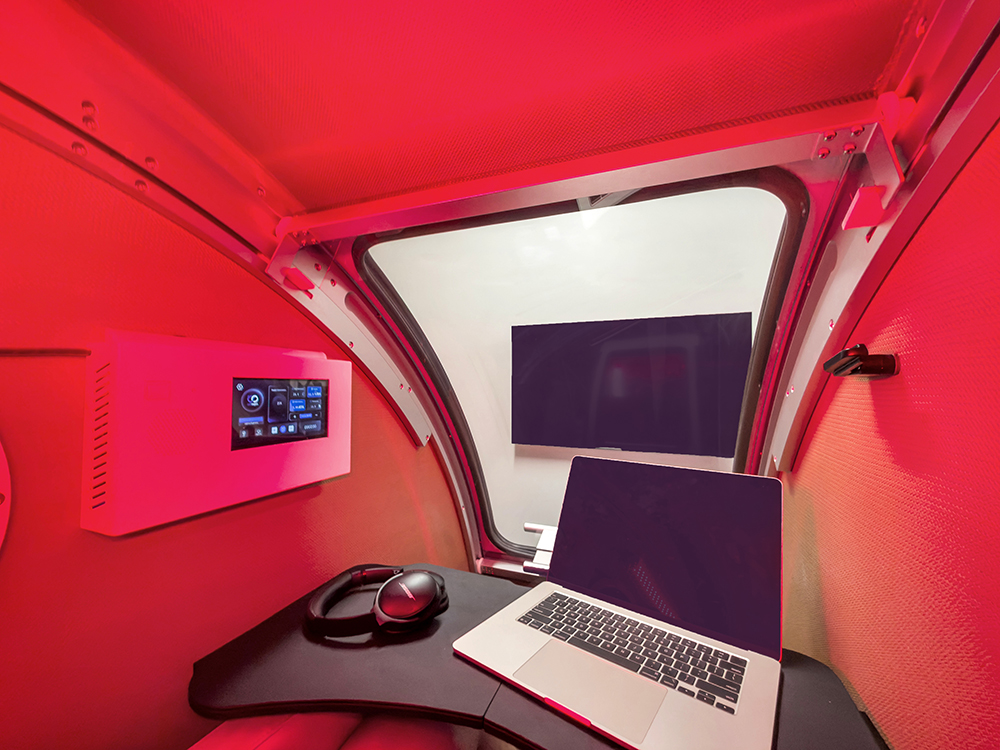
Hyperbaric Oxygen Chamber at Elements Float Wellness Centre
At Elements, HBOT is delivered:
- At wellness-appropriate pressures 1.2 – 2ATA
- In a calm, supportive environment
- As part of an integrated recovery and self-care ecosystem, alongside float therapy, infrared sauna, and red-light therapy
Each yearly oxygen boost is individualised, based on lifestyle factors, recovery needs, and personal wellness goals.
Important note:
HBOT at Elements Float Wellness Centre is provided as a wellness service only. It is not intended to diagnose, treat, cure, or prevent any medical condition. Research is referenced to explain biological mechanisms and emerging evidence, not to imply therapeutic claims.
Ready to try it? Our private Contrast Therapy Room at Elements Float Wellness Centre is the perfect place to experience the benefits firsthand. Book your session today and take the plunge into wellness!